Equine osteopathy
for the whole horse
Thoughtful, anatomy-led care for rehabilitation, ongoing wellbeing and the complex cases that need time, curiosity and a wider view.
A considered,
whole-horse approach
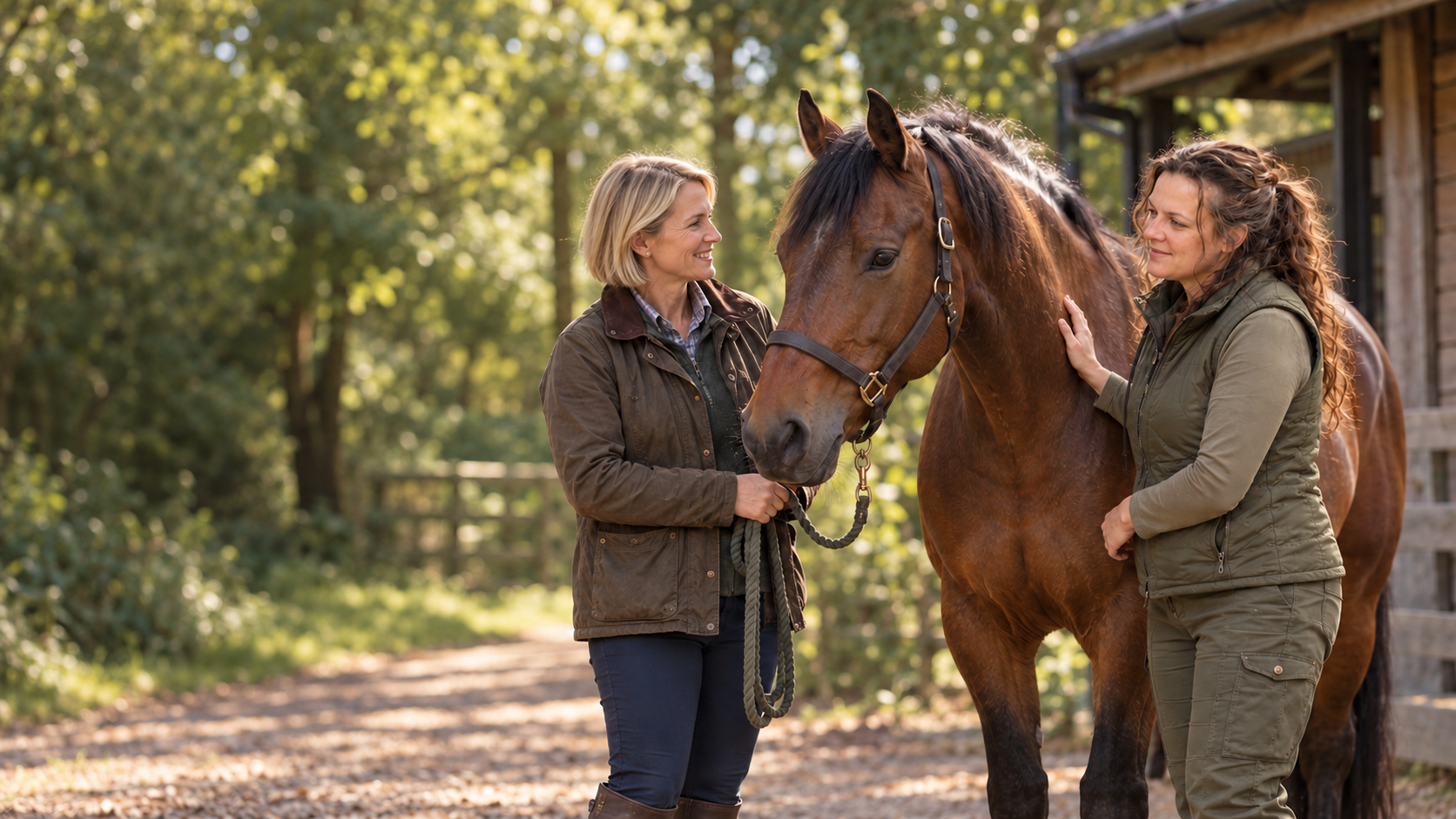
Structural, visceral and cranial osteopathy are brought together according to the individual horse, not a formula.
The work is especially suited to rehabilitation, sensitive horses, ongoing maintenance and cases where the full story has not yet been understood.
When no single piece explains the whole story
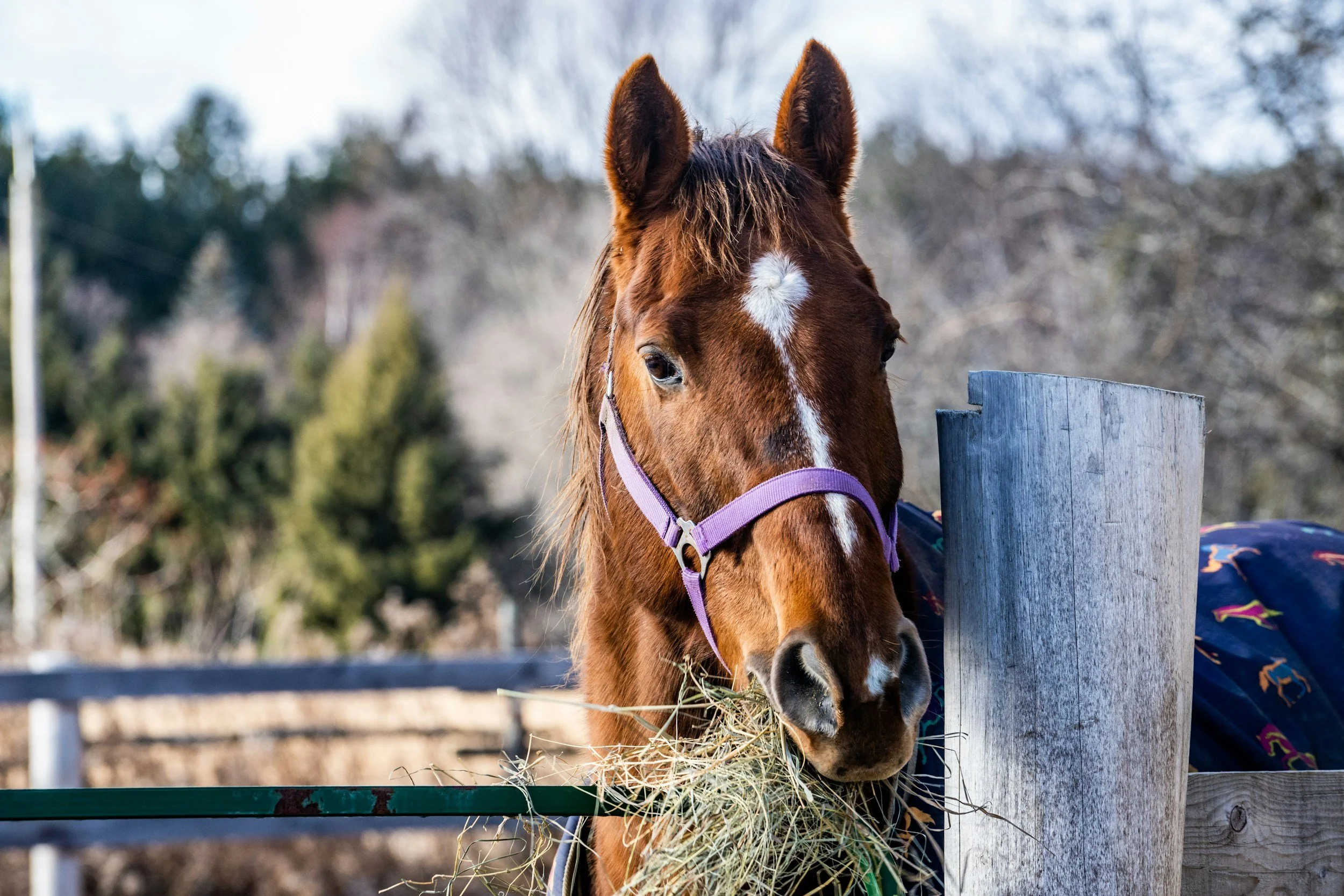
A horse may be stiff, reluctant, uneven, unusually reactive or simply not feel like themselves. Sometimes the obvious area is only where a much wider pattern has become visible.
Wild Voice is for owners who want to understand rather than override. The work brings detailed osteopathic assessment together with a practical view of the horse’s movement, history, management and wider care.
Care for
real horses
and real lives
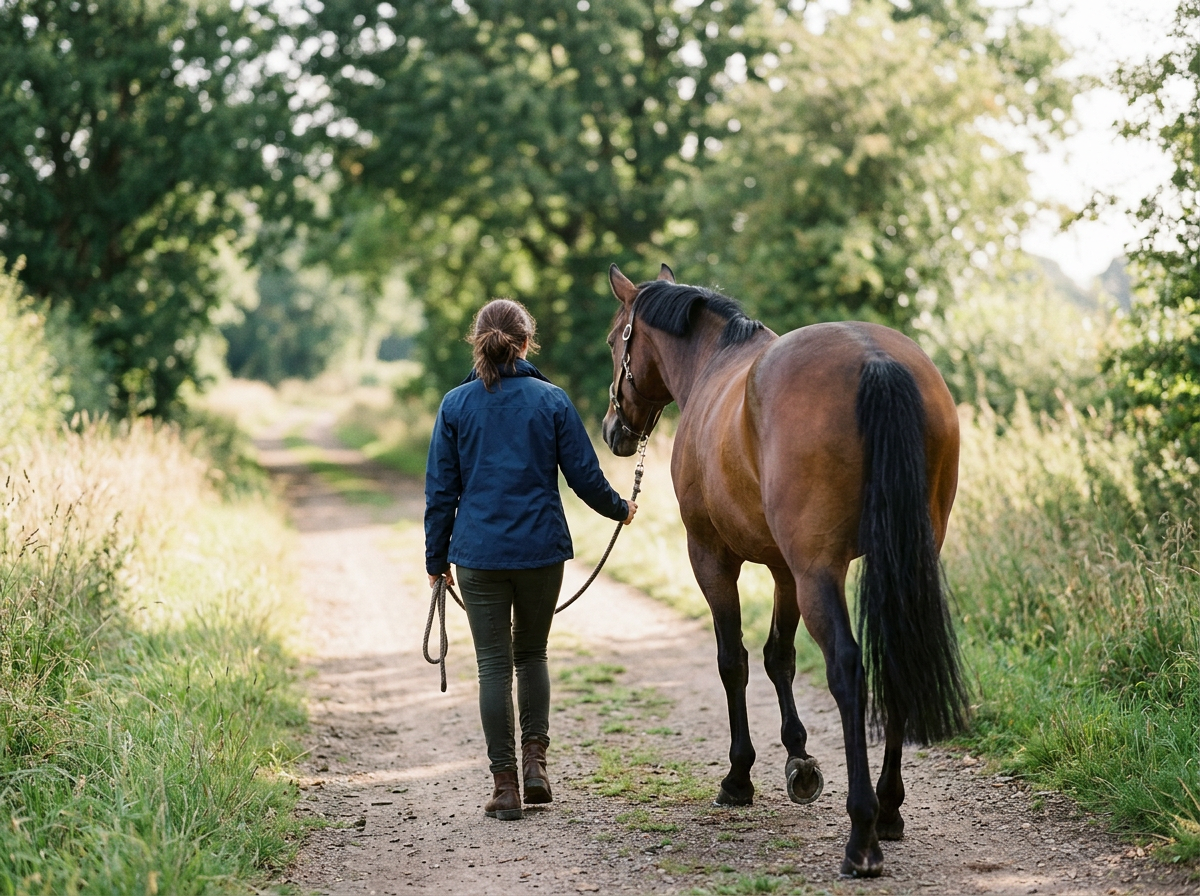
The focus is not a quick fix for the next competition. It is thoughtful care for rehabilitation, ongoing maintenance, sensitive horses and the complicated cases where the owner has already tried many avenues.
Rehabilitation and return to work
Recurring or unexplained changes in movement
General comfort and long-term maintenance
Highly sensitive horses
Cases needing collaboration with vets and other professionals

Osteopaths don’t just work with bones
France works across the whole osteopathic spectrum, choosing techniques according to the individual horse.
Treatment may include structural, fascial, balanced ligamentous techniques, visceral, cranial and craniosacral approaches.
Some very sensitive horses are initially supported through subtle or non-contact work.
The body does not function as a collection of separate parts.
Structure, circulation and neurological control constantly influence one another.
An osteopathic assessment considers all three: the body’s mechanics, the movement of fluids and the communication network coordinating everything. A restriction in one system can create compensation in the others, which is why treating only the area that appears sore may provide temporary relief without addressing why the problem keeps returning.
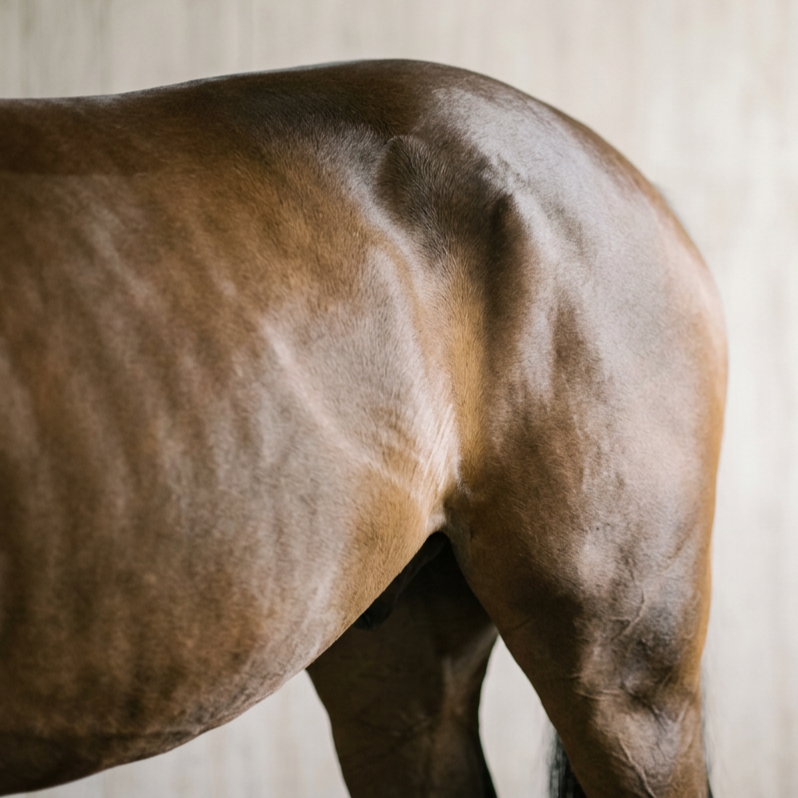
Musculo-skeletal
-
The musculoskeletal system is the body’s framework and movement system: bones, joints, muscles, tendons, ligaments and fascia.
Like a mechanic, the osteopath assesses how each part moves and how the whole structure is working together. A painful or restricted area is not always the original problem. The horse may be compensating for reduced movement elsewhere, an old injury, altered loading or an imbalance through another part of the body.
Structural osteopathy aims to restore mobility, reduce unnecessary strain and help the horse distribute movement more comfortably throughout the whole body.
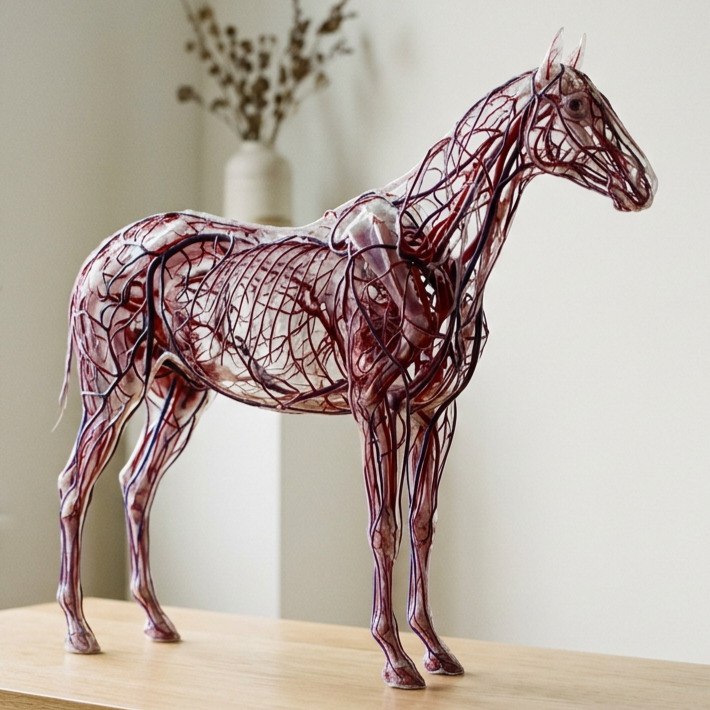
Arteries, Veins, Lymphatics and CSF
-
Andrew Taylor Still, the founder of osteopathy, taught that “the rule of the artery is supreme.” In practical terms, tissues need an effective blood supply to receive oxygen and nutrients, together with good venous and lymphatic drainage to carry waste products and excess fluid away.
Like a plumber, the osteopath considers what may be affecting the movement of fluid into, through and out of an area. Muscular tension, fascial restriction, reduced joint movement and pressure within the body can all influence the local environment in which tissues are trying to function and recover.
Supporting mobility around the circulatory and lymphatic pathways helps create more favourable conditions for tissue health, repair and normal function.
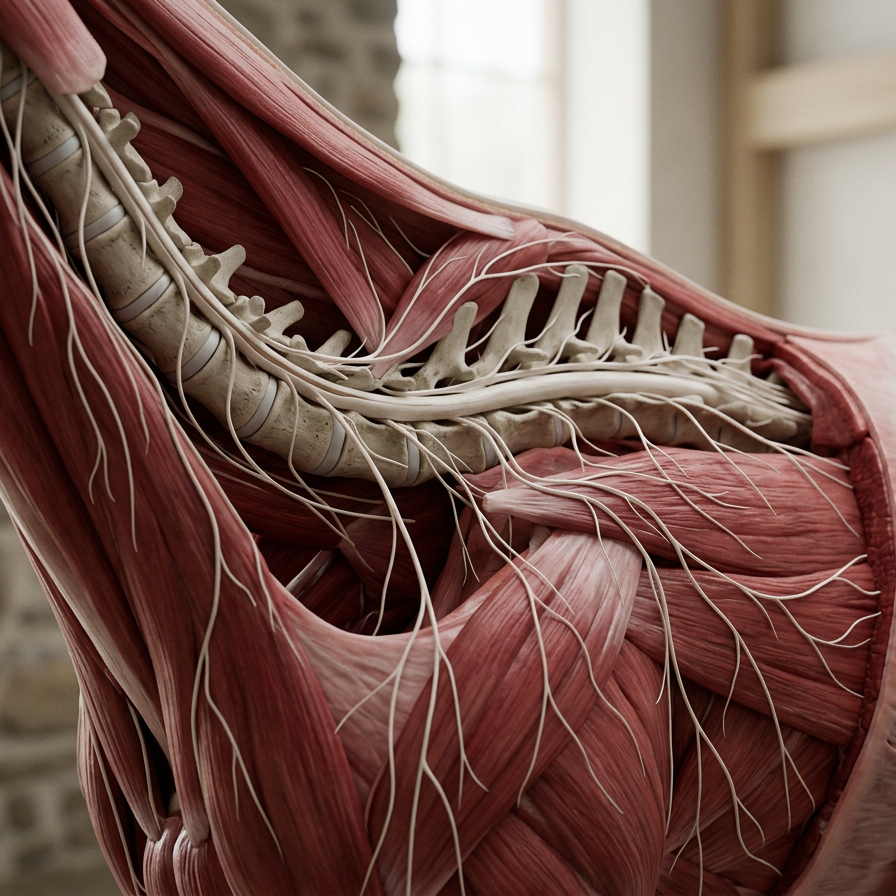
Nerves
-
The nervous system is the body’s communication network. It influences muscular activation, sensation, pain, coordination, posture and the way the horse responds to its environment.
Like an electrician, the osteopath considers the whole pathway: where a nerve originates, how it relates to the spine and surrounding tissues, and what happens further along its course. A nerve does not need to be physically “trapped” to become relevant. It may be irritated, sensitised or overloaded by persistent mechanical or physiological demands.
This is why repeatedly massaging a tight muscle may not resolve the problem. If the nervous system continues to instruct that muscle to remain active or protective, the tension is likely to return.
Assessment may also include the cranial nerves and the relationship between the nervous system and the internal organs. Through viscerosomatic connections, altered input from an organ, diaphragm or other internal structure may contribute to muscular tension, sensitivity or postural adaptation elsewhere in the body. Osteopathy therefore considers both ends of the conversation: the tissues receiving the signal and the neurological pathways influencing them.

Experience held with curiosity
France de la Cour has worked specifically with horses and osteopathy since 2010. Her foundation is a Bachelor of Science in Osteopathy, supported by extensive postgraduate study in equine biomechanics and equine osteopathy. She has completed 12 of the 13 modules at the Vluggen Institute and is continuing toward her final examination and professional registration.
That experience is never used to force a horse into a theory. Each appointment begins by observing, listening and asking what the body is showing today.
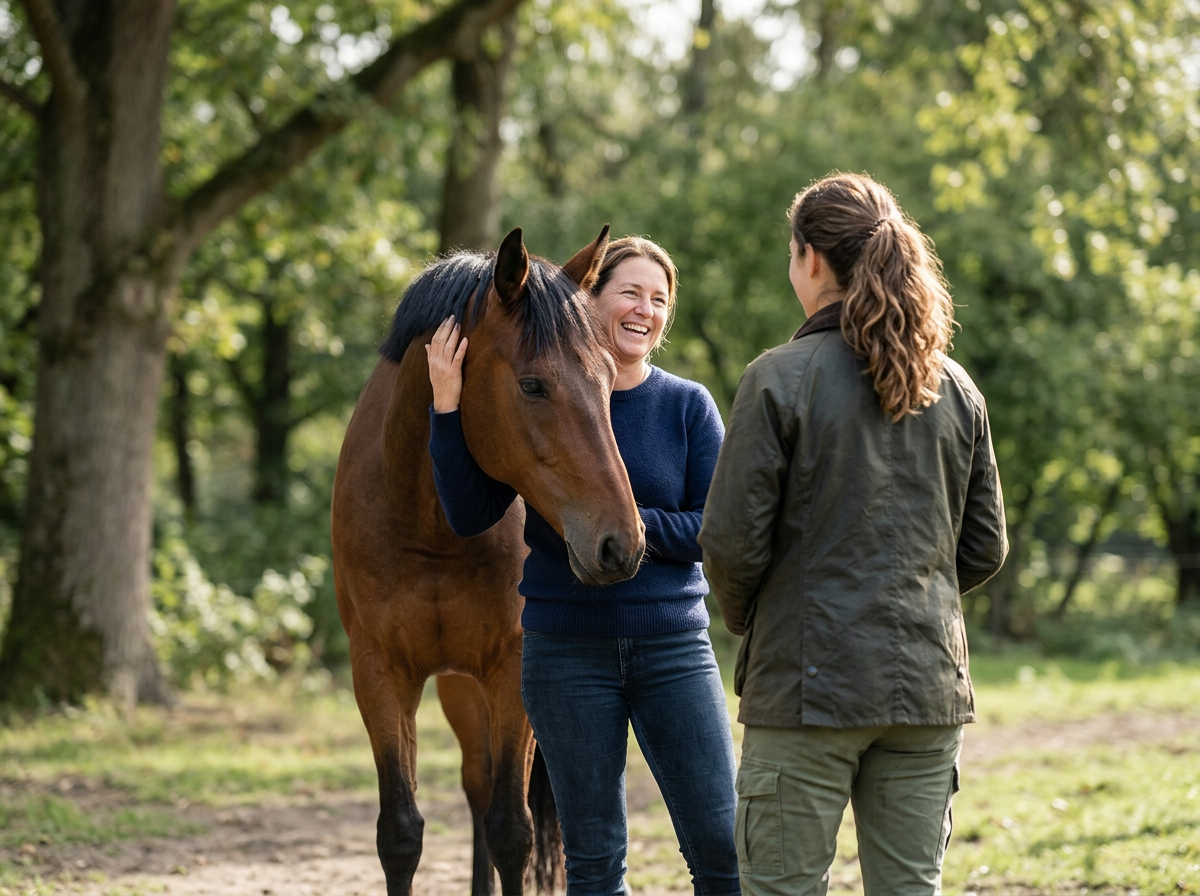
Beginning your horse’s care
The first appointment is a thorough onboarding session, currently £120.
Follow-up appointments are £90.
Enquiries are welcomed for horses across the Wild Voice visiting area, with appointments organised geographically to reduce unnecessary travel.